
Quick picksCompare 6 recommendations by priority and tradeoff
OtterBox Defender Series with Pixelsnap
Best for: Frequent drops, outdoor use, and buyers willing to carry a substantial case for more complete coverage.
Tradeoff: Its size and weight make it a poor fit for buyers who prioritize easy pocket carry.
Google Pixelsnap Case
Best for: Everyday carry, lighter pockets, and buyers who want useful screen and camera coverage without rugged-case bulk.
Tradeoff: It is lighter and less reinforced than the rugged cases in this shortlist.
dbrand Grip Case with Pixelsnap
Best for: Slippery-hand concerns, one-handed use, and buyers who want customizable skins alongside strong hand traction.
Tradeoff: The aggressive texture and case profile may be less comfortable for smooth pocket removal.
dbrand Ghost Case 2.0 with Pixelsnap
Best for: Showing the Pixel's design while retaining magnetic accessories and lower relative bulk.
Tradeoff: The smooth clear back shows fingerprints and is less uniformly grippy than the frame.
Bellroy Leather Case with Pixelsnap
Best for: Premium everyday carry, smooth leather feel, and understated styling that can develop character over time.
Tradeoff: Leather is more vulnerable to scratches and wear and lacks a standardized heavy-duty protection rating.
Spigen Nano Pop MagFit
Best for: Buyers who want Pixelsnap or Qi2-style accessories, textured sides, and a conventional everyday case without premium pricing.
Tradeoff: Its screen-lip coverage, protector pairing, and real-world magnetic performance remain less established than its headline features.
The right Pixel 11 Pro XL case depends on the compromise you can live with. Rugged coverage adds bulk, while lighter cases are easier to carry but less heavily reinforced. Smooth leather, clear backs, textured sides and magnetic accessories each solve a different everyday problem.
Start with the exact Google Pixel 11 Pro XL model. The Pixel 11 and Pixel 11 Pro use different case sizes. If you use Pixelsnap or Qi2 accessories, check that the case supports the charger, wallet, grip or mount you actually use. Anyone adding a full-coverage screen protector should also check for edge lift after installing the case.
What matters when choosing a Pixel 11 Pro XL case
Compare cases on protection, pocket bulk, hand feel, magnetic accessories, material wear and current U.S. price. Because the Pixel 11 Pro XL is a large phone, both pocketability and secure handling matter more than they might on a smaller device.
Protection versus pocket bulk
Thicker cases with reinforced corners, raised edges and port covers offer more coverage for drops, dust and outdoor use. They also add weight and make the phone less convenient to carry. Lighter cases can protect the camera bar and display edge for normal daily use, but they are not the same choice as a heavily reinforced case.
Grip and surface feel
Textured sides can make a large phone easier to hold, while smoother surfaces usually slide more easily in and out of a pocket. The dbrand Grip and Spigen Nano Pop emphasize side traction. Bellroy uses smooth leather, and the Ghost combines a grippy frame with a smoother clear back.
Pixelsnap and Qi2 accessories
Several finalists have built-in magnets for Google Pixelsnap or Qi2-style accessories. That makes them suitable for magnetic chargers, wallets, grips and car mounts, but the actual hold and charging behavior can vary between accessories. Test the setup you rely on most after the case arrives.
Materials, wear and value
The price difference reflects a specific benefit rather than a universal quality ranking. OtterBox costs more for thicker coverage and port protection. Bellroy costs more for leather and warranty support. dbrand focuses on grip, customization or clear styling, while Google and Spigen offer more straightforward everyday magnetic cases at different weights and prices.
Best for maximum drop-focused coverage
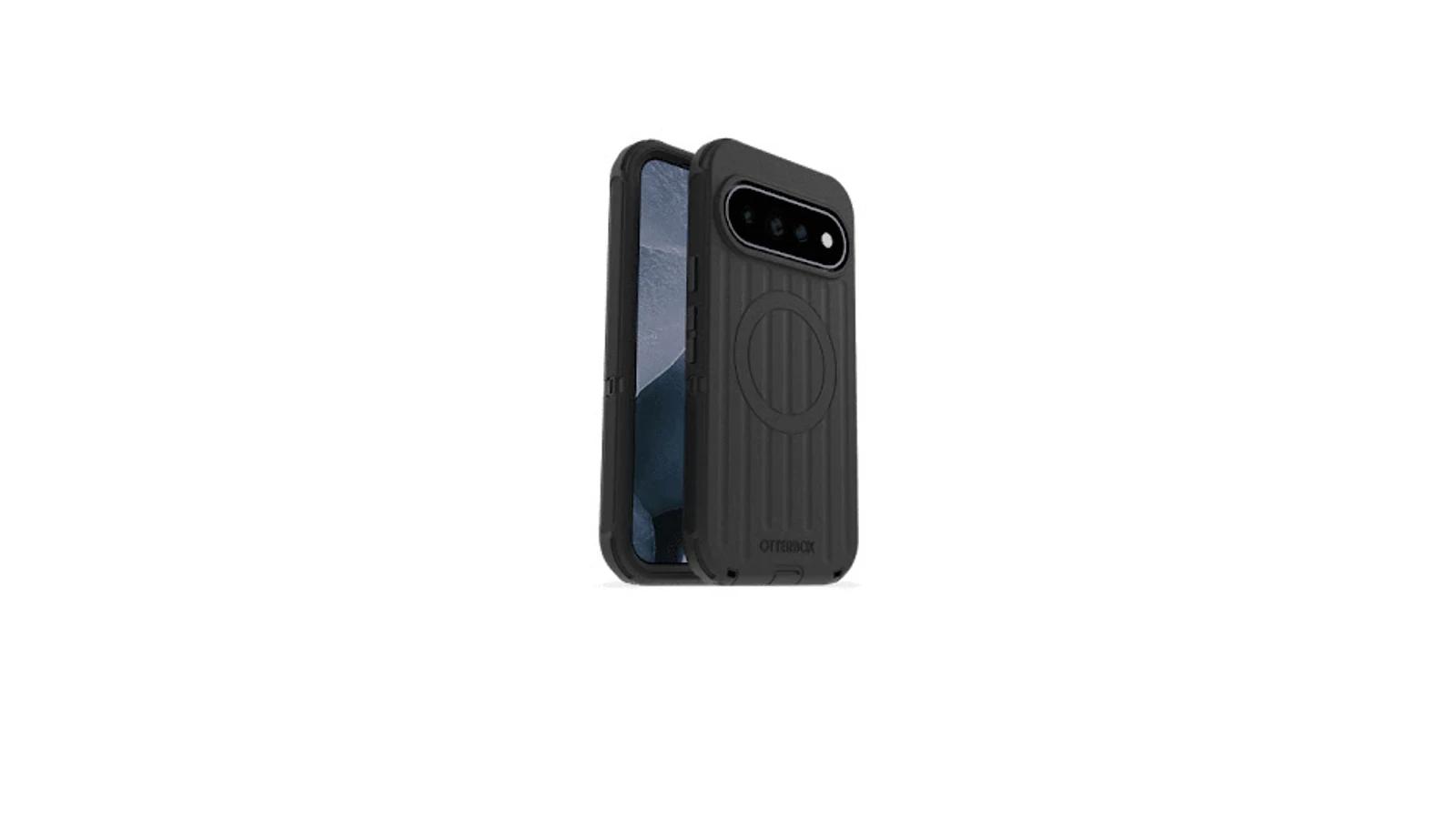
The OtterBox Defender Series with Pixelsnap is the protection-focused pick for frequent drops, outdoor use and buyers willing to carry a substantial case. Its main compromise is size: the published 2.5-ounce weight and 0.63-inch profile are conspicuous in a pocket. Choose the Google Pixelsnap Case instead if you want a lighter case for ordinary daily carry.
Why it suits demanding use
OtterBox combines synthetic rubber and polycarbonate in a multi-layer design with shock-absorbing corners, raised edges and textured surfaces. Port covers are intended to keep dust and dirt away from the USB-C port. Together, those features favor screen, camera, corner and port coverage over a slim profile.
OtterBox says the Defender Series Pro is tested to 7 times the MIL-STD-810G 516.6 military drop standard. That is a manufacturer test claim, not a promise that a phone will survive every fall. The case earns its place here through its coverage-oriented construction and independent reporting that identified it as a rugged option.
Its built-in magnets are designed for Pixelsnap accessories and compatible wireless chargers. Check the fit, retention and charging behavior with your particular accessory before relying on it for a mount or battery pack.
What the added bulk changes
The Defender is a poor match for buyers who want easy pocket removal or a light everyday carry. Its heavier construction is the point for people who regularly work outdoors, drop their phone or want port covers, but it is unnecessary bulk for many office and home users.
Best for a light everyday-carry case
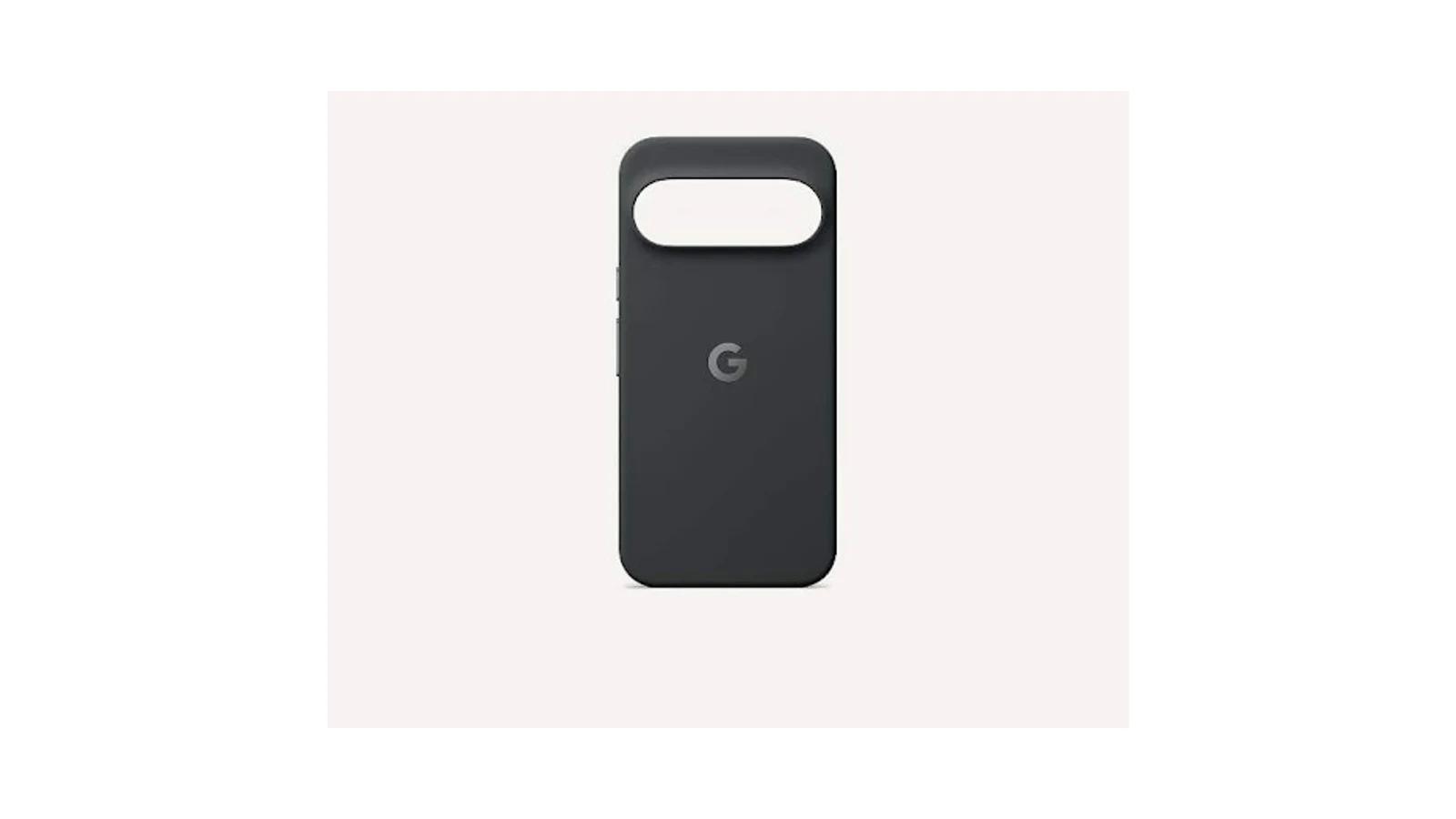
The Google Pixelsnap Case is the light everyday-carry choice. Google lists the Pixel 11 Pro XL model at 1.2 ounces and 0.4 inches deep, making it easier to carry than the rugged alternatives without calling it an ultra-thin shell. Choose the Spigen Nano Pop MagFit if textured side traction matters more than Google styling.
Why the low weight matters on a large phone
Google uses a close-fitting polycarbonate shell with raised display edges and protection around the camera bar. The case is also designed for Google’s Pixelsnap and Qi2 accessory ecosystem, with Canyon, Obsidian, Olive and Fog color options that coordinate with the phone.
Google says the case has been drop-tested for hundreds of hours and is designed to protect against everyday drops and scratches. That supports its role as a daily case, but it does not establish a standardized drop height or rugged-case rating. Independent reviewers have likewise positioned it as an everyday option with a close fit and soft lining.
The outer finish is not fully specified. Buyers who want deliberately textured sides should look instead at the dbrand Grip or Spigen Nano Pop.
Where everyday protection stops
The Google case is better suited to commuting, office carry and normal daily bumps than to frequent hard drops or dusty outdoor work. Screen-protector fit is not guaranteed, so install any thick tempered-glass protector first and check for edge lift or pressure after fitting the case.
Best for a secure, highly grippy hold
The dbrand Grip Case with Pixelsnap is the secure-hand-feel pick because its textured sides and microdot treatment give it a more distinctive hold than the smoother everyday cases here. The tradeoff is pocket friction: its 1.6-ounce weight and 0.55-inch listed height make it more substantial than Google’s case. Choose the Spigen Nano Pop MagFit if you want textured traction in a more conventional, less expensive design.
Why the texture helps with a large phone
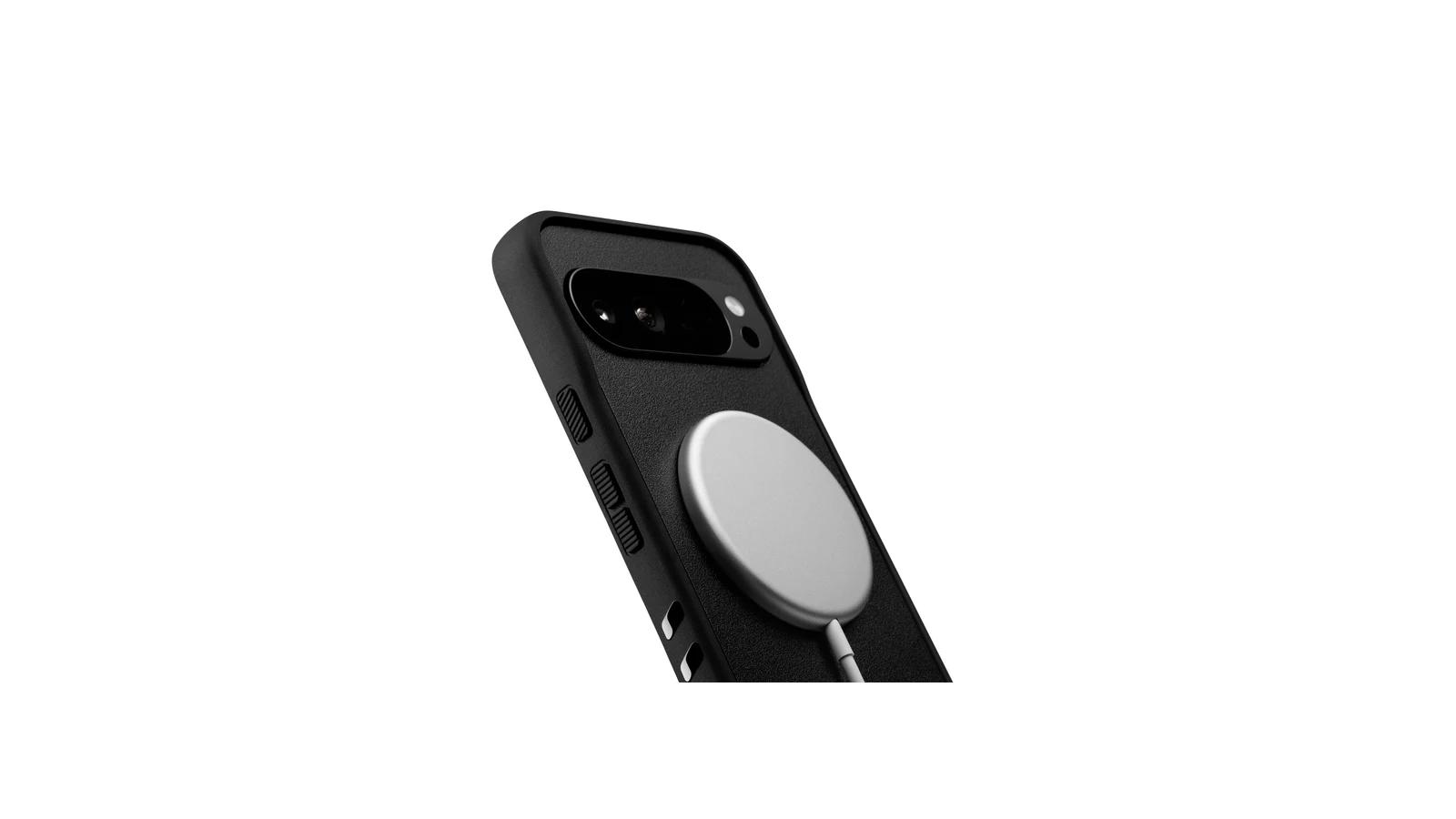
dbrand describes the Grip as using ultra-grippy materials and microdot texturing to reduce accidental drops. Android Central also described its sides as the grippiest among the Pixel 11 Pro XL cases it highlighted. That makes the Grip a strong choice for buyers concerned about slipping a large phone, although the case does not have a standardized grip or drop measurement.
The case has a contoured front lip, recessed sides, covered buttons and camera-area protection. dbrand describes it as offering maximum drop protection in a 2 mm profile, but that remains a manufacturer claim rather than an independent drop rating.
The replaceable skin system adds useful customization. Buyers can change the appearance without replacing the case body, although skin prices, availability and texture vary by design.
The pocket-carry tradeoff
The texture that helps the phone stay in your hand can make it less smooth to remove from a pocket. The case supports Pixelsnap accessories, but magnet strength, charging speed and retention depend on the particular charger or mount.
Google lists dbrand Prism 2.0 among compatible Pixel 11 Pro XL screen protectors. That is the clearest named pairing for this case, but it does not guarantee that every third-party protector will fit without lifting.
Best for a clear case that stays relatively thin
The dbrand Ghost Case 2.0 with Pixelsnap is the clear-case pick for showing the phone while keeping relative bulk low and retaining magnetic accessories. Its defining compromise is the smooth back, which attracts fingerprints and is less uniformly grippy than the ribbed frame. Choose the Spigen Nano Pop if you prefer a darker, textured case at a lower price.

Why the low-bulk design stands out
dbrand lists the Ghost at 1.8 mm thick, while Best Buy lists the exact model at less than 50 grams. The ribbed frame is intended to improve handling, and one verified owner described it as grippy without being excessively sticky or difficult to remove from a pocket.
The same owner reported a raised screen bezel, camera-bump protection and clicky buttons. That is useful short-term owner experience, but it is not a controlled protection test. dbrand’s 12-foot drop-protection claim, anti-scratch coating and lifetime zero-yellowing guarantee should also be understood as manufacturer claims. The guarantee reduces the financial risk of choosing a clear case, but it does not prove that yellowing is impossible.
The case uses 18 built-in magnets for Pixelsnap accessories. Check retention and charging with the wallet, charger or car mount you plan to use.
The clear-case compromises
The smooth back is the clearest practical drawback. Buyers who want a spotless appearance may need to wipe it regularly, while those who want a uniformly high-friction surface should choose the dbrand Grip or Spigen Nano Pop.
No named screen-protector pairing was established for the Ghost. Check for edge lift after installing a full-coverage protector rather than assuming the thin profile guarantees compatibility.
Best for traditional leather feel
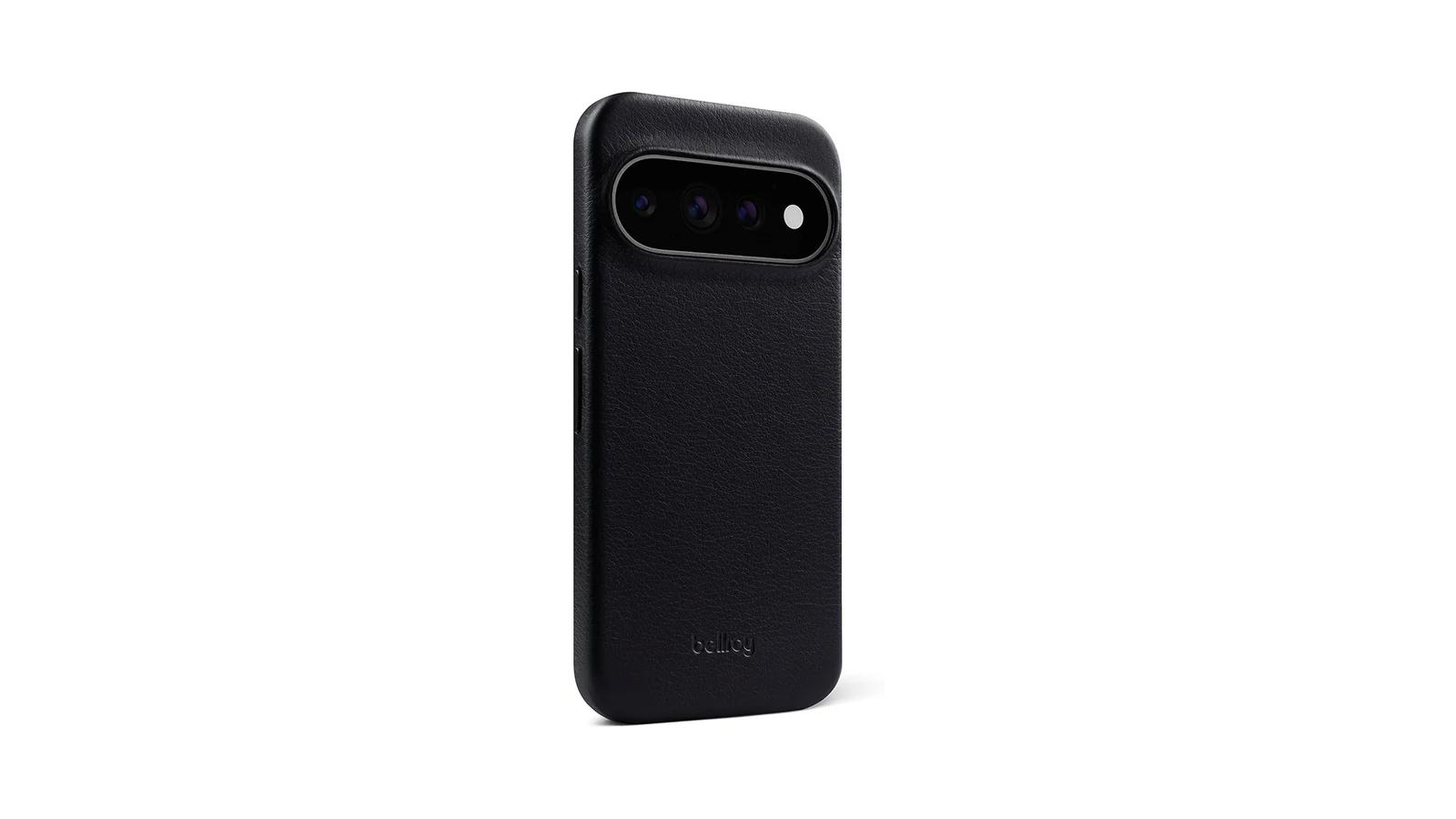
The Bellroy Leather Case with Pixelsnap is the leather choice for premium everyday carry, understated styling and a traditional material feel. It is not the pick for verified heavy-duty drop protection, and leather can scratch, mark or peel with abrasive use. Choose Google’s Pixelsnap Case if you want a lighter, lower-cost Google-made magnetic case with less concern about leather wear.
What the leather construction adds
Google lists gold-rated leather on the exterior and a soft microfiber lining. For the Pixel 11 Pro XL model, Google lists a 1.20-ounce weight and a 0.59-inch case height. That keeps it relatively light beside the OtterBox while giving it a more substantial feel than a basic shell.
Independent Pixel 11 Pro XL observations describe a close fit, comfortable smooth leather, camera-bar protection and strong attachment to Pixelsnap and magnetic car chargers. Those observations are encouraging for everyday use, but retention should not be assumed for every mount or vibration environment.
Bellroy’s appeal is tactile and visual. Its smooth surface suits buyers who want a refined hand feel, not those seeking the highest-friction grip.
How to live with natural wear
Bellroy’s three-year warranty covers faults in materials and workmanship under normal use. It does not cover normal aging, scratches, accidental damage, neglect or unreasonable use. That matters with leather: choose Bellroy if visible wear and patina are acceptable, not if you want a case that can be treated carelessly.
The case has no published standardized drop rating, and named screen-protector compatibility is not established. Keep it in the premium everyday category rather than treating it as a rugged alternative.
Best for affordable magnetic accessories
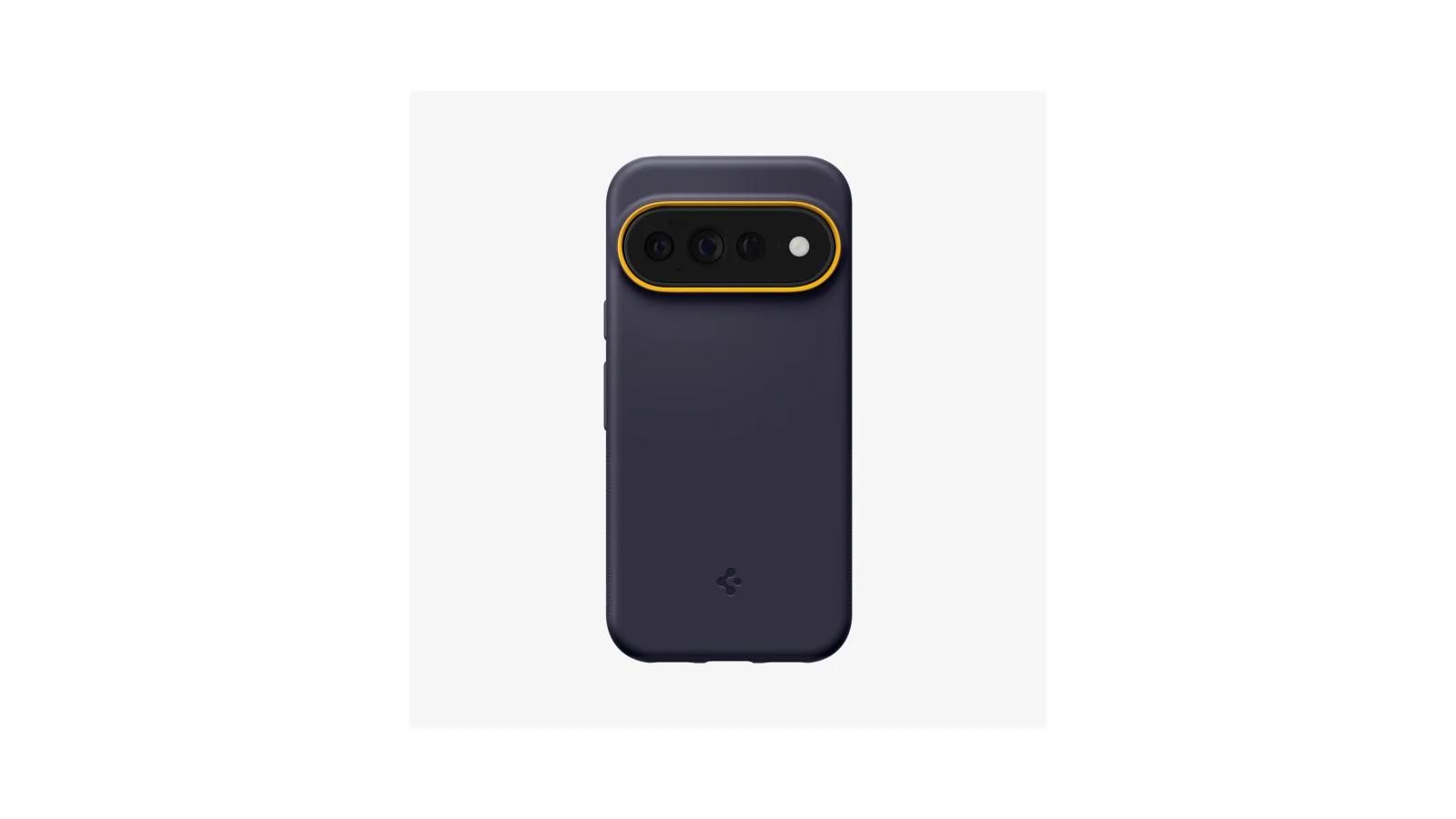
The Spigen Nano Pop MagFit is the affordable magnetic-accessory pick. Its hybrid construction, textured side pattern and current $39.99 U.S. reference price make it a practical everyday option for buyers who want Pixelsnap or Qi2-style accessories without paying for leather or heavy-duty coverage. Choose Google’s Pixelsnap Case if lower published weight and Google’s accessory integration matter more than textured traction.
What the textured hybrid design offers
The case combines polycarbonate and TPU with a dotted side pattern, covered buttons, a raised camera surround and an integrated strap hole. Google lists the Pixel 11 Pro XL model at 1.56 ounces and 0.567 inches high, placing it in the moderate-profile range rather than the slim-shell category.
Spigen says the side pattern is intended to add traction where the fingers rest. Its Air Cushion and military-grade protection language are also manufacturer claims, not a specific independent drop-height rating. The raised camera ring is identified by Google, while screen-lip height and precise port clearance are less clearly described.
Built-in magnets are intended for MagFit accessories, and Spigen presents the case with Qi2-style chargers, wallets, grips and other accessories. Actual retention and charging can vary by accessory, so test the equipment you use most.
The limits of its protection claims
The Nano Pop’s value is strongest when you want a mainstream case with magnetic accessories and more side texture than a smooth shell. Its screen-edge coverage, named screen-protector pairing and real-world magnetic performance are less clearly described than its headline features.
The current reference price is $39.99. An older approximately $18 characterization was promotional or historical and should not be used as the current list price. Spigen’s two-year limited warranty covers eligible manufacturing defects, not accidental damage or normal wear.
How the best Pixel 11 Pro XL cases compare
Case
- Protection and coverage
- Maximum coverage, including rugged layers, raised edges and port covers
- Relative bulk and carryability
- Heaviest and bulkiest option; poor for light pockets
- Grip and material feel
- Textured synthetic-rubber grip
- Pixelsnap, Qi2 and magnetic-accessory support
- Pixelsnap-compatible; check retention and charging with your accessory
- Price position and main compromise
- Premium rugged case at about $69.99; protection adds substantial bulk
Case
- Protection and coverage
- Everyday screen-edge and camera-bar coverage
- Relative bulk and carryability
- Relatively light at 1.2 ounces and 0.4 inches deep
- Grip and material feel
- Soft-lined, coordinated Google finish
- Pixelsnap, Qi2 and magnetic-accessory support
- Strong Google Pixelsnap and Qi2 support
- Price position and main compromise
- About $49.99; less reinforced than rugged alternatives
Case
- Protection and coverage
- Front lip, corner and camera-area coverage; no independent drop rating
- Relative bulk and carryability
- More substantial than slim everyday cases at 1.6 ounces and 0.55 inches high
- Grip and material feel
- Highly grippy textured sides with replaceable skins
- Pixelsnap, Qi2 and magnetic-accessory support
- Built-in magnetic array for Pixelsnap accessories
- Price position and main compromise
- Roughly $50–$60 depending on configuration; texture can increase pocket friction
Case
- Protection and coverage
- Raised edges and manufacturer-claimed drop protection in a clear design
- Relative bulk and carryability
- Relatively low bulk at 1.8 mm; retailer lists under 50 grams
- Grip and material feel
- Ribbed frame with smooth, fingerprint-prone back
- Pixelsnap, Qi2 and magnetic-accessory support
- 18-magnet Pixelsnap design
- Price position and main compromise
- About $50; smooth back and protector fit remain practical compromises
Case
- Protection and coverage
- Everyday camera and edge coverage; no standardized heavy-duty rating
- Relative bulk and carryability
- Relatively light at 1.20 ounces, but not a barely-there shell
- Grip and material feel
- Premium leather and microfiber lining
- Pixelsnap, Qi2 and magnetic-accessory support
- Pixelsnap-compatible; reviews of this phone describe strong magnetic attachment
- Price position and main compromise
- From about $54.99; leather costs more and is more vulnerable to wear
Case
- Protection and coverage
- Everyday hybrid protection with raised camera surround and Air Cushion claim
- Relative bulk and carryability
- Moderate profile at 1.56 ounces and 0.567 inches high
- Grip and material feel
- Textured TPU/polycarbonate sides
- Pixelsnap, Qi2 and magnetic-accessory support
- Built-in magnets for MagFit and Qi2-style accessories
- Price position and main compromise
- $39.99 reference price; screen-lip and accessory performance are less established
Swipe table to view all columns.Scroll table to view all columns.
| Case | Protection and coverage | Relative bulk and carryability | Grip and material feel | Pixelsnap, Qi2 and magnetic-accessory support | Price position and main compromise |
|---|---|---|---|---|---|
| OtterBox Defender Series with Pixelsnap | Maximum coverage, including rugged layers, raised edges and port covers | Heaviest and bulkiest option; poor for light pockets | Textured synthetic-rubber grip | Pixelsnap-compatible; check retention and charging with your accessory | Premium rugged case at about $69.99; protection adds substantial bulk |
| Google Pixelsnap Case | Everyday screen-edge and camera-bar coverage | Relatively light at 1.2 ounces and 0.4 inches deep | Soft-lined, coordinated Google finish | Strong Google Pixelsnap and Qi2 support | About $49.99; less reinforced than rugged alternatives |
| dbrand Grip Case with Pixelsnap | Front lip, corner and camera-area coverage; no independent drop rating | More substantial than slim everyday cases at 1.6 ounces and 0.55 inches high | Highly grippy textured sides with replaceable skins | Built-in magnetic array for Pixelsnap accessories | Roughly $50–$60 depending on configuration; texture can increase pocket friction |
| dbrand Ghost Case 2.0 with Pixelsnap | Raised edges and manufacturer-claimed drop protection in a clear design | Relatively low bulk at 1.8 mm; retailer lists under 50 grams | Ribbed frame with smooth, fingerprint-prone back | 18-magnet Pixelsnap design | About $50; smooth back and protector fit remain practical compromises |
| Bellroy Leather Case with Pixelsnap | Everyday camera and edge coverage; no standardized heavy-duty rating | Relatively light at 1.20 ounces, but not a barely-there shell | Premium leather and microfiber lining | Pixelsnap-compatible; reviews of this phone describe strong magnetic attachment | From about $54.99; leather costs more and is more vulnerable to wear |
| Spigen Nano Pop MagFit | Everyday hybrid protection with raised camera surround and Air Cushion claim | Moderate profile at 1.56 ounces and 0.567 inches high | Textured TPU/polycarbonate sides | Built-in magnets for MagFit and Qi2-style accessories | $39.99 reference price; screen-lip and accessory performance are less established |
Checks to make when the case arrives
- Confirm that the packaging and case label say Google Pixel 11 Pro XL, not Pixel 11 or Pixel 11 Pro.
- Install the case and check the power and volume buttons, speakers, microphones and USB-C cable.
- Inspect screen and camera-edge clearance, especially after installing a full-coverage screen protector. Watch for edge lift or pressure.
- Test the Pixelsnap or Qi2 charger, wallet, grip, car mount or battery pack you actually use. Check alignment, retention and charging stability.
- Look for unwanted flex, gaps or pressure around the camera bar and display before relying on the case for daily carry.
Which Google Pixel 11 Pro XL case should you buy?
Choose the OtterBox Defender if hard-drop protection and port coverage matter more than pocketability. Choose Google’s Pixelsnap Case if you want a light Google-made everyday option with coordinated styling and magnetic support. Choose the dbrand Grip if secure hand feel is the priority, the Ghost if you want clear styling with lower relative bulk, Bellroy if traditional leather feel is worth the premium and expected wear, or Spigen if magnetic accessories and textured grip should cost less.
No single case is the best fit for every Pixel 11 Pro XL owner. OtterBox buys more complete coverage, Bellroy buys leather construction and warranty support, dbrand buys differentiated grip or clear-case design, while Google and Spigen focus on everyday magnetic use at different weights and prices.
Before keeping any option, verify the exact Pixel 11 Pro XL fit and test the charger, wallet, mount, cable and screen protector you plan to use. Those details can change which case is the better choice for your phone.